


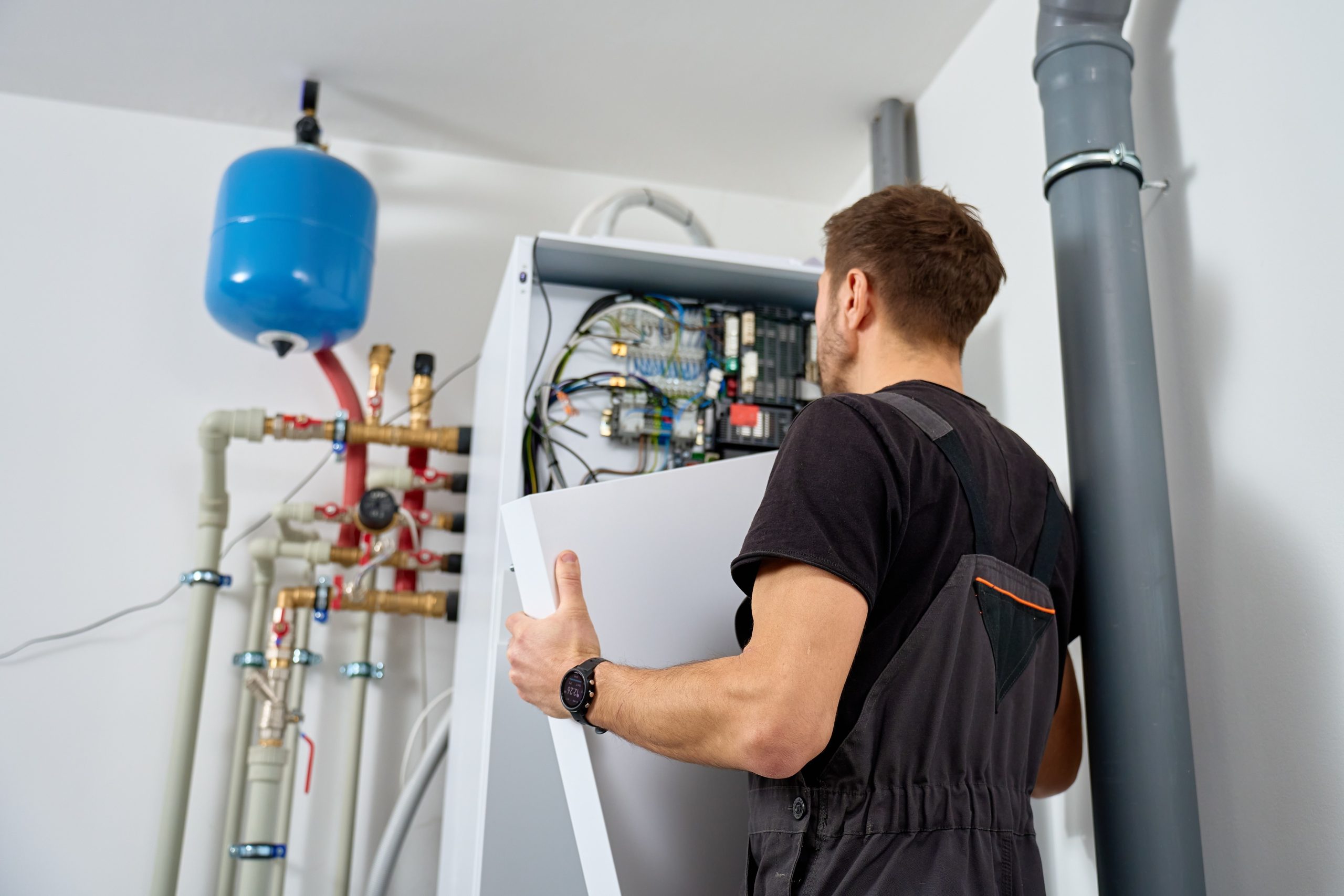
Summers in the District do not ease in gradually. By late June, humidity settles across the city, and the heat index in neighborhoods like Columbia Heights and Capitol Hill climbs fast. Phones start ringing about home heat pump installation in Washington, DC, the moment the heat arrives, and contractor availability goes with it. Moving before peak season gives you enough time to evaluate the process properly, ask the right questions, and avoid rushed decisions that create comfort problems down the road. Who you hire and what they do before a single component arrives will shape how your home performs for years to come.
Why DC’s Housing Stock Changes the Installation Picture
The nation’s capital carries one of the most varied residential profiles on the East Coast. Row homes in Capitol Hill and Shaw sit alongside detached colonials in Shepherd Park, while Ward 4 condos often have mechanical closets barely large enough to fit a new unit. Each configuration brings its own set of variables.
Ductwork from the 1960s performs differently than modern supply systems. Older homes across Columbia Heights and Petworth frequently carry undersized return air paths, and electrical panels predating 1970 often cannot handle the 240-volt circuit most heat pumps require without an upgrade. An HVAC contractor who identifies both during the site visit saves you from finding out about them on the invoice.
What the Site Evaluation Should Actually Produce
Site visits that produce data rather than a ballpark figure tell you a great deal about who you are working with.
A Manual J load calculation measures your home’s actual heating and cooling demand: square footage, ceiling height, insulation values, window orientation, and air infiltration rate all factor in. Skipping it means the selected unit either short cycles in mild weather or falls behind during the coldest stretches of a DC winter, pushing monthly costs up and wearing components down faster than they should go.
Duct condition deserves equal scrutiny. Leaky supply lines can reduce delivered output of a correctly sized unit by 20 to 30 percent, and contractors who price that assessment separately after the fact are leaving room for a second invoice you did not plan on.
The Hidden Cost of a Poorly Sized Heat Pump in DC
An energy efficient heat pump in DC delivers real monthly savings, but only when sized correctly for the home. Oversized equipment runs short cycles that never fully wring out humidity. A unit that is too small runs through cold snaps without recovering and quietly racks up component wear.
Federal credits under the 25C program cover up to 30 percent of qualifying project costs. Heat pumps in the highest efficiency CEE tier qualify for up to $2,000 annually. BGE, Pepco, and Delmarva customers across Maryland and the broader DMV may also qualify for the EmPOWER Maryland rebate program, which offers up to $5,000 for air source heat pump installations. Our HVAC specials and financing page has the full breakdown, and our team handles the documentation from day one so your eligibility is protected at filing time.
Get Your Home Heat Pump Installation in Washington, DC Done Right
The difference between a system that performs and one that disappoints comes down to what happens before the equipment ever arrives. Our team at Fresh Air Concepts works with homeowners across the DC metro area to make sure every installation starts from an accurate site read and ends with a system sized and commissioned for the home it is actually in.
We cover load calculations, duct assessment, electrical review, and federal incentive paperwork so nothing surfaces as a surprise after the job is done. Our technicians are properly credentialed, which matters more than most homeowners realize: manufacturers require licensed service records to keep equipment warranties active, and that documentation also protects your eligibility for the 25C tax credit.
If you are ready to move forward with home heat pump installation in Washington, DC, contact us today to schedule your appointment.
