Fresh Air Concepts

Modern indoor swimming pool with controlled humidity and professional dehumidification environment
24Apr

Warning Signs Your Swimming Pool Dehumidification System Is Failing

Foggy windows, musty smells, and rust spots on metal fixtures often whisper a story long before your utility bill starts shouting. These small clues point straight at one of the hardest-working systems in any indoor aquatic space. Across Maryland, swimming pool dehumidification systems quietly manage constant evaporation, but when performance begins to slip, the warning signs surface everywhere except the thermostat. Whether it is a hotel pool, a fitness center, or a backyard natatorium, those same signals tend to appear long before anyone thinks to check the system. 

Here is what to watch for, and what separates a stable pool environment from one beginning to show signs of failure. 

Why Pool Humidity Requires Precise Control

Water never stops evaporating from a heated pool. A 400 square foot residential pool can release roughly 50 to 80 pounds of moisture per hour into the surrounding air. Without proper dehumidification, that moisture must land somewhere, usually on drywall, wood framing, ductwork, or your guests. It’s recommended to keep indoor humidity between 30 and 50 percent for most living spaces, though pool rooms operate a touch higher at 50 to 60 percent relative humidity for comfort. 

Stay above that range and condensation forms on cold surfaces. Drop below and evaporation accelerates, which drives heating costs through the roof. Good indoor pool humidity control sits in that narrow sweet spot all year long, even on humid August afternoons in Annapolis or freezing January nights in Bethesda. 

Five Warning Signs Your Dehumidifier Is Struggling 

Pay close attention to these everyday clues: 

  1. Persistent window fog or wall sweat. Condensation on glass, doors, or ceiling beams means moisture is winning against the dehumidifier. 
  1. A sour, heavy chlorine smell. That sharp odor comes from chloramines, which trapped humidity intensifies. 
  1. Rust on railings, vents, or light fixtures. Corrosion shows up faster than most owners expect. 
  1. Soft, peeling drywall or stained ceiling tiles. Hidden moisture damages building materials from the inside out. 
  1. Climbing energy bills with no other explanation. Older dehumidification equipment loses efficiency as compressors and coils age. 

Notice one of these? You probably have time to act. Notice three or more? Your equipment is asking for a checkup. 

How Modern Swimming Pool Dehumidification Systems Solve the Problem 

Today’s swimming pool dehumidification systems do far more than pull water out of the air. Most modern units recover heat from the moisture they remove, then reuse that energy to warm the pool water, the room air, or both. This recycled heat trims operating costs while keeping conditions steady. Smart controls track relative humidity, room temperature, and water temperature in real time, then adjust automatically based on bather load and outdoor weather. 

Maryland’s swing between humid summers and cold winters makes this responsiveness especially valuable. A unit sized correctly for July afternoons must also handle quiet February mornings without short cycling. 

The Hidden Cost of Waiting Too Long 

A failing dehumidification unit rarely fails in isolation. Once moisture starts damaging the building envelope, the need for repairs spread quickly to insulation, framing, electrical components, and even the pool deck. Replacing a dehumidifier costs a fraction of what mold remediation and structural repair will run you. Acting at the first warning sign keeps small problems small. 

Routine inspections catch coil buildup, sensor drift, and refrigerant issues before they snowball. Most facilities benefit from twice yearly professional service, especially before summer humidity peaks and again before winter heating kicks in. 

Take the Guesswork Out of Indoor Pool Comfort 

Balanced humidity supports cleaner air, protects your structure, and keeps your pool environment operating the way it should. Our team at Fresh Air Concepts understands how to evaluate system performance and restore proper control with solutions tailored to your space. If performance has started to shift, we can evaluate your system and identify what needs attention. When you are ready, you can contact us to schedule service and keep your indoor pool environment running as intended. 

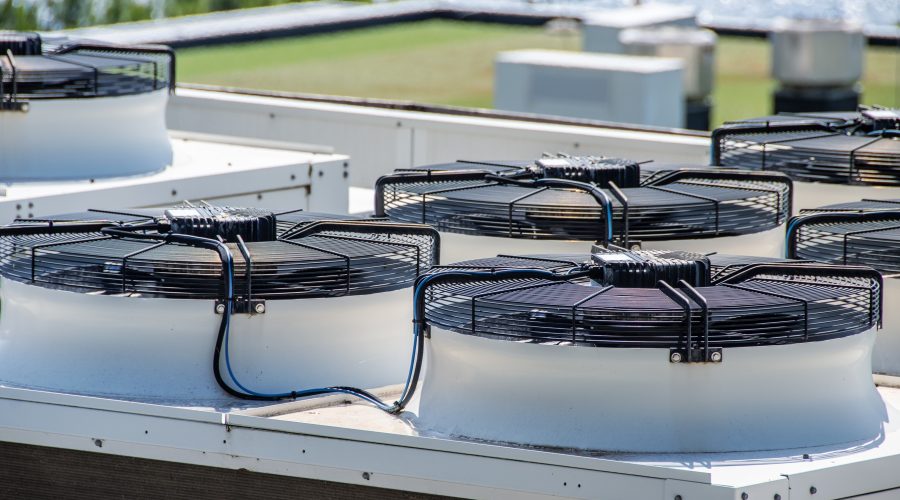
commercial hvac maintenance washington dc rooftop units system inspection.
26Mar

Commercial HVAC Maintenance in Washington, DC for Spring

As spring approaches in Washington, DC, commercial properties begin shifting from heating to cooling. That transition places new demands on HVAC equipment. Systems that carried the load through winter now need to adjust quickly, often without a recent inspection or performance check. At that stage, commercial HVAC maintenance in Washington, DC becomes essential to maintain performance and reliability. Preparing your system ahead of peak cooling season helps protect performance, control operating costs, and maintain a comfortable environment for employees and customers across the DC metro area. 

Continue Reading

Homeowner sweating indoors using fan during AC breakdown, emergency air conditioner repair Frederick County
20Mar

5 Signs You Need Emergency AC Repair in Frederic County

When your air conditioner starts to struggle, you can feel the difference right away. Airflow becomes uneven. Certain rooms stay warmer than others. The system continues running, yet your home never quite reaches the temperature you expect. At that stage, most homeowners begin to question how serious the issue is and whether immediate service is necessary. Many then explore emergency air conditioner repair in Frederick County to understand what is happening and how quickly it should be addressed.  

Recognizing these warning signs early can help you avoid a full system breakdown, especially during peak summer conditions across the Frederick area. 

Continue Reading

Woman sitting on a couch sneezing indoors, highlighting the impact of poor indoor air quality and the need for better home ventilation
16Jan

Home Ventilation Tips for Healthier Winter Air in Baltimore

Winter weather creates real challenges for homes across Baltimore and the surrounding county. As temperatures drop, houses are sealed tightly to keep warmth inside. Windows stay closed for long stretches. Heating systems run daily. Fresh outdoor air slows, while indoor air continues circulating through the same spaces. Without proper airflow, home ventilation can quietly fall behind even when the house feels sealed, warm, and protected. 

Continue Reading

Technician performing furnace repair in a Baltimore home
29Dec

Furnace Repair in Baltimore: Early Winter Warning Signs to Watch

Winters across the Baltimore area have a way of exposing problems that stay hidden the rest of the year. A furnace that seemed fine in November suddenly struggles once the system starts running longer each day. Homeowners often notice small changes first, slower warmups, uneven heat, or unfamiliar sounds. In many cases, these early signs point toward the need for a furnace repair in Baltimore before colder weeks place even more strain on the system. Before the heat cuts out completely, most furnaces give a few quiet warnings that something is not quite right. 

Continue Reading

Commercial rooftop unit HVAC system on a commercial building roof in Towson, MD
19Dec

Commercial Rooftop Unit HVAC Services for Winter Performance

Winter has already settled in across Towson, MD and commercial rooftop units are feeling the strain. These systems run longer hours. Sometimes it’s nonstop. Wind exposure, cold air, and steady heating demand all stack up faster than most people expect. Because they sit out of sight, early warning signs are easy to miss. When problems finally surface, they often interrupt operations at the worst possible time. For many businesses, commercial rooftop unit HVAC service is a foundational step that helps prevent the costly, reactive repairs that tend to appear once cold weather is already in play. 

Continue Reading

winter hvac maintenance technician inspecting return vent in dc home
12Dec

6 Tips for Winter HVAC Maintenance DC Homeowners Shouldn’t Skip

Somewhere around the second real cold snap in Washington DC, a lot of people notice the same thing. The furnace takes a little longer to kick on. Certain rooms feel cooler than they did in October. The heating system sounds like it is working harder than it should be. That is usually your clue that winter has truly started, and your equipment is under pressure. It is important that DC homeowners have a winter HVAC maintenance plan they can rely on before those signs appear because it helps avoid those uncomfortable mornings and keeps the heat steady when you need it most. Now that colder weather has settled in, these vital steps can help keep your home comfortable and your system steady throughout the rest of the season. 

Continue Reading

Technician installing a residential heat pump outside a single family home in Anne Arundel County.
28Nov

A Heat Pump in Anne Arundel County: Smart Heating for Your Home

When temperatures swing across the Mid Atlantic—mild one week and sharply cold the next—homeowners need heating that adjusts quickly without wasting energy. A heat pump in Anne Arundel County offers a smarter way to stay comfortable through those swings. Instead of creating heat through combustion, heat pump systems transfer warmth efficiently, giving homes steadier comfort and lower utility costs throughout the season. Before upgrading, it helps to understand how these systems operate, why residents across the state are adopting them, and what incentives are available to reduce installation costs. 

Continue Reading

Professional HVAC worker examining a home boiler system as part of a fall heating check up in Baltimore.
20Nov

Boiler Repair in Baltimore: Why Fall Service Matters Most

When the first cold wave hits Baltimore, most homeowners assume their boiler will fire up without trouble. But systems that sit idle all summer often reveal hidden issues the moment temperatures dip. Strange noises, slow heat, and rising energy bills show up fast once that first real chill settles in. Scheduling a boiler repair in Baltimore before the deep cold arrives keeps small issues from snowballing into mid-season breakdowns. Before winter tightens its grip, here’s what every homeowner should know. 

How a Fall Heating System Check–Up Sets You Up for Winter 

Boilers work hard in the cold months, then sit quiet when the weather warms. That downtime hides early signs of trouble. Sediment settles in the tank, pumps stiffen, valves stick, and pressure levels shift. Once the first cold front hits, everything needs to run at full speed immediately, and that is where problems surface. A fall heating system check–up finds these issues at the moment they’re easiest to fix. Instead of discovering a failing circulator pump during a freeze, you catch the problem while there’s still time to address it. You save money, avoid emergency calls, and start winter with predictable, steady heat. 

The Hidden Problems Homeowners Miss

Most boiler issues don’t announce themselves loudly. They start quietly and grow over time. Homeowners in the greater Baltimore area often overlook early warning signs such as: 

  • Slower heat reaching rooms 
  • Frequent on-off cycling 
  • Gurgling, banging, or whistling sounds 
  • Unexpected spikes in utility bills 

Ignoring these clues doesn’t make them disappear. It simply allows a small repair to become a costly mid-season failure. 

What a Fall Boiler Check Covers 

A proper boiler tune-up does far more than a quick inspection. Technicians: 

  • Remove sediment 
  • Inspect pumps and valves 
  • Test ignition and fuel delivery 
  • Check pressure controls 
  • Confirm safe venting 

A tuned boiler starts easier, runs quieter, and uses less energy all winter long. Many homeowners stay ahead of seasonal repairs through our HVAC service memberships, which keeps maintenance predictable year-round. 

Why Boilers Matter So Much in Baltimore Homes 

Baltimore’s housing stock is unique. Older rowhomes, brick townhouses, and historic properties often rely on hydronic heat, which means boilers are a high priority to maintain. These systems handle cold spells better than many forced-air units, but only when they’re properly maintained. As temperatures swing between mild and icy, boilers experience rapid cycling. That extra stress exposes worn components quickly. A fall visit prepares the system for those swings before winter demand increases. This period is often when a boiler repair in Baltimore becomes most vital. 

What Happens When You Delay Boiler Repair in Baltimore

A boiler left unchecked can develop issues that escalate quickly: 

  • Sediment reduces heat transfer 
  • Air pockets create cold spots 
  • Ignition problems trigger shutdowns 
  • Pressure fluctuations strain internal parts 
  • Small leaks turn into expensive failures 

Delaying service means risking an emergency call when technicians are busiest. Repair costs rise, wait times grow, and cold rooms stay cold. A fall appointment prevents all of it. 

The Best Time for Boiler Repair 

Right before Central Maryland’s first extended cold snap when your system will be running nonstop, a short tune-up ensures it’s ready. This is also the ideal time to take care of any boiler repair service your system may already need. Homeowners can review DOE efficiency standards to understand how proper maintenance supports safer, more cost-effective operation. 

Stay Ahead of Winter 

Fall is the moment that determines how smoothly your boiler handles the cold ahead. A boiler repair in Baltimore gives your system the care it needs to run smoothly and reliably throughout the coldest weeks of the year. At Fresh Air Concepts, our technicians help homeowners across the Chesapeake Bay enter winter with steady heat and a boiler ready for whatever the season brings. Schedule your fall tune-up today and move into winter with confidence. 

Heating Contractors in Baltimore Explain Furnaces, Boilers & Hybrid Systems Fresh Air Concepts
12Nov

Heating Contractors in Baltimore Explain Furnaces, Boilers & Hybrid Systems

Maryland winters can shift quickly. One week feels mild; the next brings a biting chill off the bay. Every home needs a heating system that keeps up with those shifts. Some heat air, some heat water, and others combine both. Heating contractors in Baltimore help homeowners stay comfortable through every turn in the season. Before choosing a system or scheduling service, it helps to understand how each type works and which option fits your home best. 

Understanding Furnaces, Boilers, and Hybrid Systems

Home heating comes in a few main types—furnaces, boilers, and hybrids—each designed to warm your home in a different way. Each system has its own strengths, ideal conditions, and maintenance needs. Understanding how they differ helps you make smarter upgrade decisions and plan service before the cold sets in. Most modern systems are built under these furnace and boiler guidelines that help reduce emissions and extend service life. In order to keep your system performing at its best, it’s important to choose the right setup with the help of trusted heating contractors. In Baltimore, that means finding solutions built for Maryland’s unpredictable weather and year-round climate swings.  

Pros and Cons of Each Heating System 

Furnaces: Fast, Forced-Air Heat 

Furnaces are the backbone of home heating. They warm air quickly, push it through ducts, and work seamlessly with central cooling systems. Gas, electric, and oil models are all common, and new designs improve fuel use and airflow control. 

Advantages: 

  • Delivers fast, even warmth 
  • Integrates with cooling systems 
  • Fits homes with existing ductwork 

Considerations: 

  • Can dry out indoor air 
  • Needs filter changes and regular tune-ups 

Most modern furnaces meet ASHRAE efficiency standards, helping homeowners compare performance and energy use before upgrading. 

Boilers: Radiant Comfort and Long-Term Value 

Boilers create warmth differently. They heat water and circulate it through the home to deliver steady, radiant heat that lingers even after the system cycles off. Quiet and draft-free, boilers suit older Baltimore County homes without ducts or with radiant flooring. 

Advantages: 

  • Quiet and consistent heating 
  • No air drafts or dust movement 
  • Works well with radiant or baseboard setups 

Considerations: 

  • Slower response time than forced air 
  • Higher installation costs 

Modern boilers from Carrier use precision fuel control to cut waste and improve performance.  

Hybrid Systems: Smart, Adaptive Heating 

Now that we’ve covered the main heating systems found in most homes, let’s look at how a hybrid setup blends them together. Hybrid systems connect a heat pump with a furnace, automatically switching between them as outdoor temperatures change. In mild weather, the heat pump runs on electricity for low-cost warmth. As temperatures drop, the furnace takes over to deliver stronger output. This balance keeps comfort steady and energy bills manageable. 

Advantages: 

  • Adjusts to weather automatically 
  • Reduces energy use 
  • Balances comfort and savings year-round 

Considerations: 

  • Higher upfront investment 
  • Requires maintenance for both systems 

Understanding how these systems differ is only half the equation—finding the right fit for your home takes the right team. 

Choosing the Right Heating System for Your Home 

The right system depends on your home, your budget, and how you live day to day. Our heating contractors in Baltimore can help you choose and maintain the setup that keeps comfort steady and costs in check. For year-round reliability, explore our HVAC service memberships—maintenance plans designed to keep your system efficient and worry-free. At Fresh Air Concepts, we help homeowners across the DMV area stay ready for every season with heating systems built for lasting comfort.

Schedule your heating service today and move into winter backed by local experts who know what real comfort feels like.