Fresh Air Concepts

Row of modern townhomes in Columbia, MD under bright sunlight, illustrating heat buildup and need for attic fan installation.
26Jun

How Attic Fan Installation in Columbia, MD Fixes an Overheated Home

If your upstairs stay warm long after sunset or your AC runs constantly without catching up, the problem is likely sitting right above your living space. Central Maryland summers are unrelenting. By late June, the roof cavity above a two-story home in Owen Brown or Long Reach can push past 150 degrees Fahrenheit, and that thermal load bleeds through your ceiling insulation and drives up your utility costs well into August. Attic fan installation in Columbia is one of the fastest returns on any home cooling investment, and our residential electrical services handle the full job from wiring to final commissioning. 

Does Your Columbia Home Need an Attic Fan? 

A home needs an attic fan when the attic space retains heat faster than passive ventilation can release it. This happens when soffit and ridge vents alone cannot move enough air volume to offset solar heat gain through the roof deck. Homes built before 2000 in Columbia’s earlier villages, including Wilde Lake and Hickory Ridge, frequently fall below the 1-to-150 net free area ventilation ratio that current building science recommends, making them overdue for attic fan installation in Columbia. 

If your second floor runs five to ten degrees warmer than your first floor during summer, inadequate airflow through the roof cavity is usually the cause, rather than an undersized AC system. 

How Attic Fans Reduce Heat and Energy Costs 

An attic fan reduces cooling costs by actively exhausting superheated air from the roof cavity and drawing in cooler outside air through the soffit vents. Dropping attic temperature from 150 degrees to around 90 degrees cuts ceiling heat transfer by up to 30 percent, which translates directly into shorter AC run times and lower monthly bills. 

The efficiency gains are sharpest in homes where the attic sits directly above finished living space, particularly for attic ventilation systems in pre-2000 construction. Across the Baltimore-Washington corridor, that describes most of the housing stock built between 1970 and 1995, including the townhome communities near Lake Kittamaqundi and the villages surrounding Route 29. 

Those savings only hold when the system is set up correctly, and installation quality is where that gets decided. 

Attic Ventilation in Columbia, MD: What’s Missing 

Most attic ventilation failures start at the air intake side rather than the exhaust side. Blocked or undersized soffit vents restrict the fresh air supply that an attic fan needs to move heat effectively. Without adequate intake, the fan creates negative pressure that pulls conditioned air out of the living space instead, raising utility costs rather than reducing them. 

What most homeowners across the Patuxent region never realize about their attics is the humidity that accumulates in the roof cavity during summer. Left unaddressed, that moisture works its way into the living space below, affecting indoor air quality and long-term air handler performance. If your home already struggles with humidity or stale air, the air quality systems we install complement improved attic airflow and address both problems at the source. 

What the Installation Process Looks Like 

Getting the installation right begins way before the fan goes in. The technician assesses roof cavity size, existing ventilation, and insulation depth to select the correct fan size and mount position. Attic fan installation in Columbia typically takes two to four hours for a standard gable- or roof-mounted unit when access and electrical supply are both available. 

Roof-mounted units require flashing and weatherproofing suited to the Old Line State’s freeze-thaw cycle. Solar-powered options eliminate the electrical circuit requirement entirely and carry no ongoing energy cost, though their airflow capacity suits spaces under 1,500 square feet best. Hardwired units with a thermostat set to activate above 100 degrees perform more reliably in larger spaces. 

Soffit vent clearance should be confirmed before anything else. If existing intake vents are blocked by insulation or debris, they must be cleared first. Skip that step, and the fan underperforms regardless of how well everything else is installed. 

Cool Down Your Columbia, MD Home This Summer 

Getting your attic under control is the fastest way to take pressure off your cooling system before the peak heat arrives. Fresh Air Concepts serves Howard County and the surrounding area, with most jobs wrapped in a single visit. Our technicians assess the space, confirm the right unit and mount type, and handle all electrical work so the system performs the way it was designed to.  

Schedule a consultation with Fresh Air Concepts before peak summer demand hits and stop letting your attic work against you.

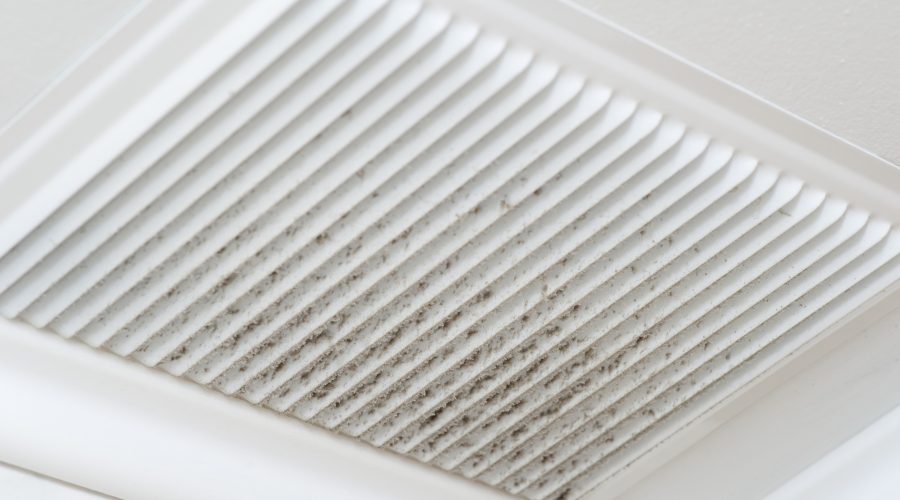
Dust buildup on ceiling air vent in a Baltimore home, showing need for indoor air quality systems and whole home air filtration.
19Jun

Why Indoor Air Quality Systems Fail in Baltimore Homes

Your filter is clean. Your AC is running fine. So why does your house still feel dusty within a day of cleaning, and why do allergy symptoms flare up indoors just as badly as they do outside? Most homeowners searching for indoor air quality systems in Baltimore assume the filter is the problem, but indoor pollutant levels run two to five times higher than outdoor levels, even with a working HVAC system. That gap usually traces back to one overlooked problem: the air in your home never reaches your filtration system before it recirculates. 

Continue Reading

Woman sitting in a hot bedroom using a fan, struggling with uneven cooling in home.
12Jun

Fan Coil Installation in Ellicott City for Uneven Cooling

You walk into the upstairs bedroom, and it hits you immediately. The rest of the house feels fine, but this room is ten degrees warmer, and the vent is barely moving air. That kind of zone failure is rarely a thermostat issue. In most Ellicott City and Howard County homes where it shows up, the fan coil unit is where the diagnosis ends, and fan coil installation in Ellicott City is the fix that actually holds. 

Continue Reading

Technician working on indoor heat pump unit for Washington DC home installation
29May

How DC Homeowners Should Approach Heat Pump Installation

Summers in the District do not ease in gradually. By late June, humidity settles across the city, and the heat index in neighborhoods like Columbia Heights and Capitol Hill climbs fast. Phones start ringing about home heat pump installation in Washington, DC, the moment the heat arrives, and contractor availability goes with it. Moving before peak season gives you enough time to evaluate the process properly, ask the right questions, and avoid rushed decisions that create comfort problems down the road. Who you hire and what they do before a single component arrives will shape how your home performs for years to come. 

Continue Reading

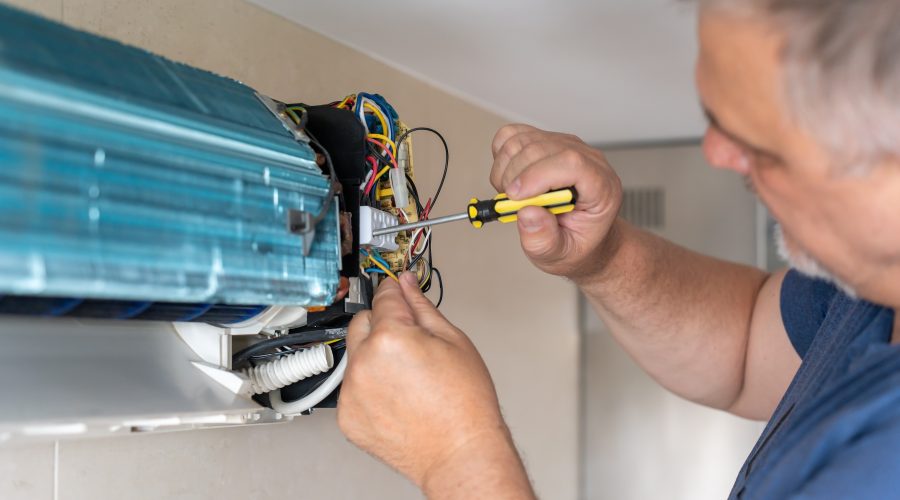
HVAC technician repairing indoor air conditioning unit wiring during service call in Severna Park MD
22May

When 24 Hour HVAC Repair in Severna Park Is Worth the Call

Most homeowners do not think much about overnight HVAC service until the moment it becomes a reality. The unit fails at 10 PM on a Tuesday night, the upstairs bedrooms start climbing past 80 degrees, and the question shifts from whether it can wait to whether it should. That decision is harder than it sounds. Not every situation needs immediate service, and some can wait until morning without making things worse. Across northern Anne Arundel County, the need for 24-hour HVAC repair in Severna Park tends to surface during heat waves, storm-related outages, or the first cold stretch of fall. 

Here is a clearer way to think through it when that moment hits.

Continue Reading

homeowners noticing AC not cooling in Glen Burnie house
15May

AC Not Cooling? AC Repair in Glen Burnie

The first real heat of the year has a way of arriving without warning. One week you are pulling weeds, and the next you are standing in your living room at 6 PM, wondering why the thermostat reads 79 while the air feels no cooler than it did an hour ago. The vents are running, the condenser is humming outside, yet nothing moving through your home feels cold. That often leads homeowners to start looking into AC repair in Glen Burnie, trying to determine whether the issue is minor or something that needs immediate attention. 

In most cases, dust accumulates on coils, refrigerant levels drift, and small faults go unchecked through the winter until the first hot day demands a full load. 

The Four Things That Quietly Break Over Winter 

After sitting idle for months, air conditioning systems often show the same types of issues once they return to regular use. The pattern is consistent and catching it early usually keeps repairs simple. 

Capacitors That No Longer Start the System Reliably 

Capacitors are often the first component to fail. They store the electrical charge that starts the compressor and fan motors, and extended downtime can weaken their ability to deliver that charge reliably. The unit may sound like it is running, but the compressor never fully engages, which leaves you with airflow but no cooling. 

Coils That Can No Longer Release Heat Efficiently 

Condenser coils are another common problem. Seasonal pollen and debris settle into the fins, restricting airflow and making it harder for the system to release heat. As a result, the unit works harder while producing less cooling, and that strain builds up over time. 

Thermostat and Refrigerant Issues That Reduce Performance 

Thermostat drift and low refrigerant round out the typical early-season issues. Thermostats can lose calibration after months of irregular use, while slow refrigerant leaks often go unnoticed until a hot day makes the performance drop obvious. 

How Quickly You Can Get AC Repair in Glen Burnie 

When cooling drops during peak summer, response time matters as much as the repair itself. We are based at 5195 Raynor Avenue in Linthicum Heights, which puts Glen Burnie neighborhoods roughly ten minutes from our shop. For homeowners in the 21060 and 21061 zip codes, that distance makes same-day service a realistic outcome rather than an optimistic estimate. Getting ahead of an emergency is still a better path. Routine maintenance plays a key role in long-term reliability and helps equipment hold up under sustained demand. May is the window when scheduling proactively still makes sense, before the calendar tightens. 

Why Our Carrier and Mitsubishi Credentials Matter at Home 

Carrier does not issue the President’s Award broadly. The 2024 recognition was given to a limited number of dealers who met high standards for installation quality, technician training, and verified customer outcomes. That distinction helps ensure your system is serviced correctly and supports warranty protection. 

We also hold Mitsubishi Diamond Commercial Contractor status, the highest certification level issued by Mitsubishi Electric. For homes using both central air and ductless systems, this ensures that the technician servicing your equipment has specific training for each system rather than relying on general experience. Few companies in this market hold both certifications. 

Inside a Pre-Season Tune-Up: What We Look At 

A pre-season tune-up focuses on the components most likely to affect performance once summer demand increases. Capacitor testing, coil cleaning, refrigerant verification, thermostat calibration, electrical inspection, and a full review of the air handler are all included in a standard visit. The process is thorough and typically completed within a single appointment. 

Beyond temperature control, air conditioning systems also help regulate indoor humidity. When performance drops, moisture levels rise, which can make the air inside your home feel heavier and less comfortable as the season progresses. 

For homes using heat pumps, timing is even more important. These systems run year-round, which means they enter the cooling season with existing wear that can affect performance if not addressed. Homeowners who schedule AC repair in Glen Burnie before peak summer conditions are less likely to need emergency service later in the season. 

Stay Ahead of the Heat This Summer 

Maintaining your system before peak summer demand helps reduce interruptions and keeps performance steady when temperatures rise. Our technicians are trained across both central air and ductless systems, allowing us to evaluate your equipment thoroughly and identify any areas that may need attention before they affect performance. 

If your system has not been evaluated recently, this is a practical time to take care of it. You can contact us to schedule service and keep your system operating as intended through the summer months. 

Modern indoor swimming pool with controlled humidity and professional dehumidification environment
24Apr

Warning Signs Your Swimming Pool Dehumidification System Is Failing

Foggy windows, musty smells, and rust spots on metal fixtures often whisper a story long before your utility bill starts shouting. These small clues point straight at one of the hardest-working systems in any indoor aquatic space. Across Maryland, swimming pool dehumidification systems quietly manage constant evaporation, but when performance begins to slip, the warning signs surface everywhere except the thermostat. Whether it is a hotel pool, a fitness center, or a backyard natatorium, those same signals tend to appear long before anyone thinks to check the system. 

Here is what to watch for, and what separates a stable pool environment from one beginning to show signs of failure. 

Why Pool Humidity Requires Precise Control

Water never stops evaporating from a heated pool. A 400 square foot residential pool can release roughly 50 to 80 pounds of moisture per hour into the surrounding air. Without proper dehumidification, that moisture must land somewhere, usually on drywall, wood framing, ductwork, or your guests. It’s recommended to keep indoor humidity between 30 and 50 percent for most living spaces, though pool rooms operate a touch higher at 50 to 60 percent relative humidity for comfort. 

Stay above that range and condensation forms on cold surfaces. Drop below and evaporation accelerates, which drives heating costs through the roof. Good indoor pool humidity control sits in that narrow sweet spot all year long, even on humid August afternoons in Annapolis or freezing January nights in Bethesda. 

Five Warning Signs Your Dehumidifier Is Struggling 

Pay close attention to these everyday clues: 

  1. Persistent window fog or wall sweat. Condensation on glass, doors, or ceiling beams means moisture is winning against the dehumidifier. 
  1. A sour, heavy chlorine smell. That sharp odor comes from chloramines, which trapped humidity intensifies. 
  1. Rust on railings, vents, or light fixtures. Corrosion shows up faster than most owners expect. 
  1. Soft, peeling drywall or stained ceiling tiles. Hidden moisture damages building materials from the inside out. 
  1. Climbing energy bills with no other explanation. Older dehumidification equipment loses efficiency as compressors and coils age. 

Notice one of these? You probably have time to act. Notice three or more? Your equipment is asking for a checkup. 

How Modern Swimming Pool Dehumidification Systems Solve the Problem 

Today’s swimming pool dehumidification systems do far more than pull water out of the air. Most modern units recover heat from the moisture they remove, then reuse that energy to warm the pool water, the room air, or both. This recycled heat trims operating costs while keeping conditions steady. Smart controls track relative humidity, room temperature, and water temperature in real time, then adjust automatically based on bather load and outdoor weather. 

Maryland’s swing between humid summers and cold winters makes this responsiveness especially valuable. A unit sized correctly for July afternoons must also handle quiet February mornings without short cycling. 

The Hidden Cost of Waiting Too Long 

A failing dehumidification unit rarely fails in isolation. Once moisture starts damaging the building envelope, the need for repairs spread quickly to insulation, framing, electrical components, and even the pool deck. Replacing a dehumidifier costs a fraction of what mold remediation and structural repair will run you. Acting at the first warning sign keeps small problems small. 

Routine inspections catch coil buildup, sensor drift, and refrigerant issues before they snowball. Most facilities benefit from twice yearly professional service, especially before summer humidity peaks and again before winter heating kicks in. 

Take the Guesswork Out of Indoor Pool Comfort 

Balanced humidity supports cleaner air, protects your structure, and keeps your pool environment operating the way it should. Our team at Fresh Air Concepts understands how to evaluate system performance and restore proper control with solutions tailored to your space. If performance has started to shift, we can evaluate your system and identify what needs attention. When you are ready, you can contact us to schedule service and keep your indoor pool environment running as intended. 

commercial hvac maintenance washington dc rooftop units system inspection.
26Mar

Commercial HVAC Maintenance in Washington, DC for Spring

As spring approaches in Washington, DC, commercial properties begin shifting from heating to cooling. That transition places new demands on HVAC equipment. Systems that carried the load through winter now need to adjust quickly, often without a recent inspection or performance check. At that stage, commercial HVAC maintenance in Washington, DC becomes essential to maintain performance and reliability. Preparing your system ahead of peak cooling season helps protect performance, control operating costs, and maintain a comfortable environment for employees and customers across the DC metro area. 

Continue Reading

Homeowner sweating indoors using fan during AC breakdown, emergency air conditioner repair Frederick County
20Mar

5 Signs You Need Emergency AC Repair in Frederic County

When your air conditioner starts to struggle, you can feel the difference right away. Airflow becomes uneven. Certain rooms stay warmer than others. The system continues running, yet your home never quite reaches the temperature you expect. At that stage, most homeowners begin to question how serious the issue is and whether immediate service is necessary. Many then explore emergency air conditioner repair in Frederick County to understand what is happening and how quickly it should be addressed.  

Recognizing these warning signs early can help you avoid a full system breakdown, especially during peak summer conditions across the Frederick area. 

Continue Reading

Woman sitting on a couch sneezing indoors, highlighting the impact of poor indoor air quality and the need for better home ventilation
16Jan

Home Ventilation Tips for Healthier Winter Air in Baltimore

Winter weather creates real challenges for homes across Baltimore and the surrounding county. As temperatures drop, houses are sealed tightly to keep warmth inside. Windows stay closed for long stretches. Heating systems run daily. Fresh outdoor air slows, while indoor air continues circulating through the same spaces. Without proper airflow, home ventilation can quietly fall behind even when the house feels sealed, warm, and protected. 

Continue Reading