


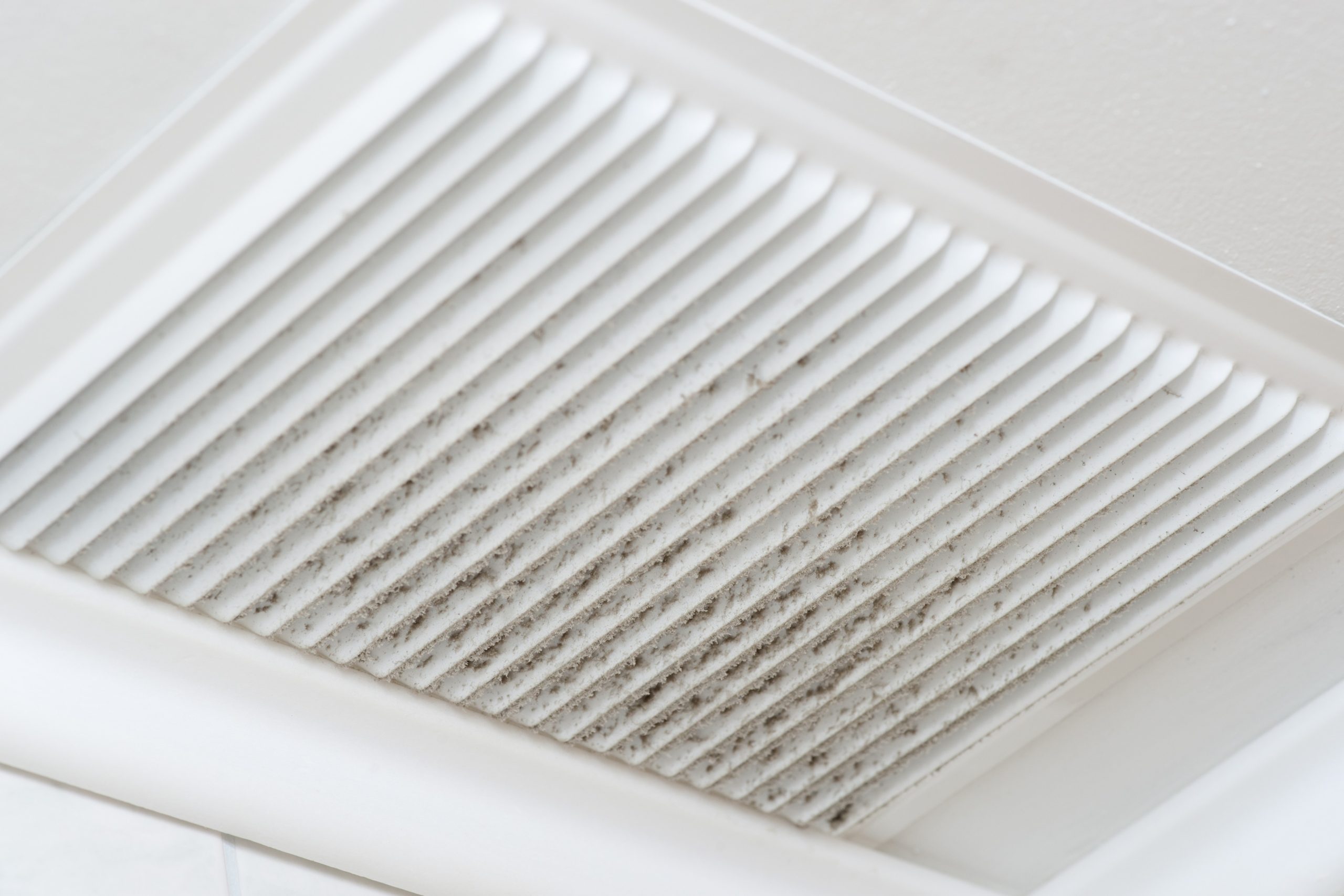
Your filter is clean. Your AC is running fine. So why does your house still feel dusty within a day of cleaning, and why do allergy symptoms flare up indoors just as badly as they do outside? Most homeowners searching for indoor air quality systems in Baltimore assume the filter is the problem, but indoor pollutant levels run two to five times higher than outdoor levels, even with a working HVAC system. That gap usually traces back to one overlooked problem: the air in your home never reaches your filtration system before it recirculates.
Signs Your Indoor Air Quality System Isn’t Working
Indoor air quality systems in Baltimore homes rarely announce a failure with an obvious breakdown. Dust resettling within a day of cleaning, rooms that feel stale even with the AC running, and allergy symptoms that persist indoors are the three clearest signals that something isn’t doing its job. These persistent allergy symptoms often get blamed on seasonal pollen alone, when an airflow or filtration problem inside the home is just as likely the cause. The respiratory health effects of poor indoor air quality extend well beyond seasonal triggers.
Homes across Charm City and its surrounding suburbs face a combination of spring pollen and summer humidity that worsens airborne particle buildup inside HVAC systems compared to drier climates. Older housing stock throughout Baltimore’s rowhome neighborhoods compounds this, since many of these homes were built with return-air ductwork sized for systems half a century old.
Why Airflow Problems Reduce Filtration Performance
Every cubic foot of air your HVAC system filters has to pass through the return-air side first. A restricted, undersized, or blocked return path means air recirculates through your home without ever reaching the filter, regardless of how good that filter is.
A MERV 13 filter removes considerably smaller airborne particles than a standard MERV 8 filter, including many bacteria and respiratory-sized particles, but it also demands more airflow capacity to function properly. Installing a high-MERV filter on a system with restricted return air can reduce total airflow, leaving more pollutants circulating rather than fewer. This is the gap most indoor air quality systems in Baltimore homes never close, because the filter gets upgraded while the airflow path behind it stays the same. Research on indoor air pollution confirms that ventilation and air exchange rates play a direct role in respiratory health outcomes, reinforcing why airflow matters as much as filtration itself.
Whole Home Air Filtration vs. Portable Purifiers
Whole home air filtration treats every cubic foot of air moving through your HVAC system, while a portable purifier only treats the air in the single room where it sits. For a typical rowhome or townhouse across the Baltimore metro area with multiple floors, that difference means a portable unit in the bedroom does nothing for the kitchen, living room, or finished basement.
Treating air at the equipment level, before it reaches any room, is what separates a whole-home approach from a single-room fix. Portable purifiers remain useful as supplemental coverage in one problem room, but they can’t replace a properly sized whole home filtration system when the issue spans multiple rooms or floors.
What Indoor Air Quality Systems Fix
The right fix depends on what’s failing: the filtration media, the return-air pathway, or both. Carrier’s EZXCAB filtration cabinet installs directly in the return-air duct of any forced-air heating or cooling system. It closes the exact airflow bottleneck that most indoor air quality systems in Baltimore homes are missing. It carries a 10-year limited warranty and qualifies for consumer financing, so homeowners can spread the cost of fixing the airflow problem rather than just replacing the filter.
Humidity control and UV treatment catch contaminants that filtration alone can’t, particularly during the Chesapeake region’s humid summer months. Our indoor air quality overview covers seasonal considerations beyond filtration alone for homeowners weighing a broader upgrade.
Get Indoor Air Quality Systems That Work for Your Home
A new filter cannot compensate for a system that can’t move enough air to use it properly. Fresh Air Concepts evaluates the full airflow path, not just the filter, before recommending any upgrade across Baltimore and Howard County. Our technicians identify whether the issue is filtration, airflow, humidity, or some combination of all three before any equipment gets installed.
Schedule a consultation with us today to find out what’s limiting your home’s filtration system and get it fixed at the source.
